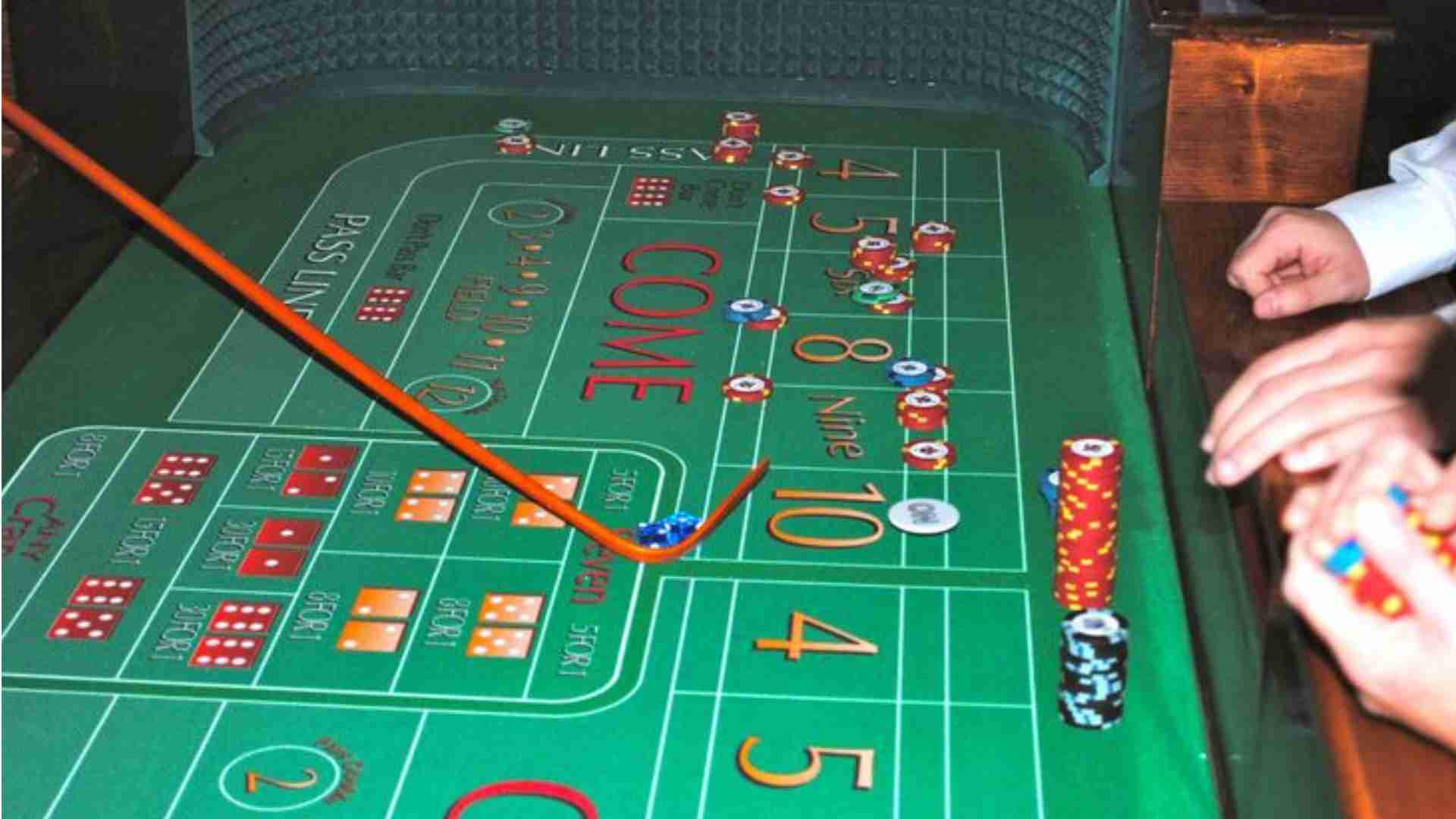
The casino floor offers many attractions, but few match the enduring charm and energy of the classic craps table. For dice enthusiasts looking to transition from casual observers to confident participants, mastering the fundamental mechanics is essential. By understanding how rounds progress and where the mathematical advantages lie, anyone can master the game with clarity.
The Core Mechanics of the Come-Out Roll
Every standard round of craps initiates with a foundational phase known as the come-out roll. The individual selected to toss the dice must establish a game trajectory by aiming for specific numerical totals. Rolling a natural seven or eleven results in an immediate victory for standard line bettors, while rolling a two, three, or twelve triggers an instant loss.
Any other numerical total rolled during this phase establishes a strategic target known as the point number. The shooter must then replicate this specific number on subsequent throws before a seven appears. Sticking to these structural sequences allows newcomers to follow live table action without feeling overwhelmed by the fast pace.
Navigating the Pass Line and Odds Options
The Pass Line bet represents the absolute bedrock of table gameplay and carries a remarkably low house edge of 1.41 percent. Most participants choose this option because it fosters a shared community experience, uniting the table behind the shooter's success. It remains the ideal starting point for practicing discipline and consistency.
Once a point is active, players can access the unique free odds wager placed directly behind their initial bet. This specific option is highly regarded because it features a true mathematical payout with zero built-in house advantage. For sports and gaming enthusiasts analyzing statistical options, checking out analysis platforms like Mansion Sports can provide deeper context on strategic probability. Utilizing these fair-payout options is a proven method to maximize session value safely.
Understanding Multi-Stage Bet Placements
The Come bet offers another excellent avenue for expanding your presence on the layout after a point number has been confirmed. This wager functions almost identically to a new Pass Line bet, treating the very next roll as a personal come-out sequence. It allows advanced players to cover multiple numbers simultaneously during prolonged hot streaks.
Conversely, conservative participants often explore Don't Pass options, which essentially involve betting against the shooter's success. While this approach can occasionally alienate superstitious players at a live table, it offers a slight statistical advantage. Balancing these opposing systems is crucial for sustaining long sessions and managing bankroll variance effectively.
Maintaining Table Discipline and Bankroll Health
Even the most comprehensive knowledge of dice rules cannot protect your capital without strict personal boundaries. Establishing distinct win goals and loss limits prior to buying into a live game prevents emotional decision-making. Splitting your total resources into smaller session-based segments ensures you can survive inevitable cold spells.
It is equally vital to avoid high-risk proposition wagers located at the center of the felt layout. While these exotic bets promise massive short-term payouts, their exorbitant house edges will rapidly deplete your chips. Relying on simple, high-probability options remains the most reliable path to authentic table mastery.