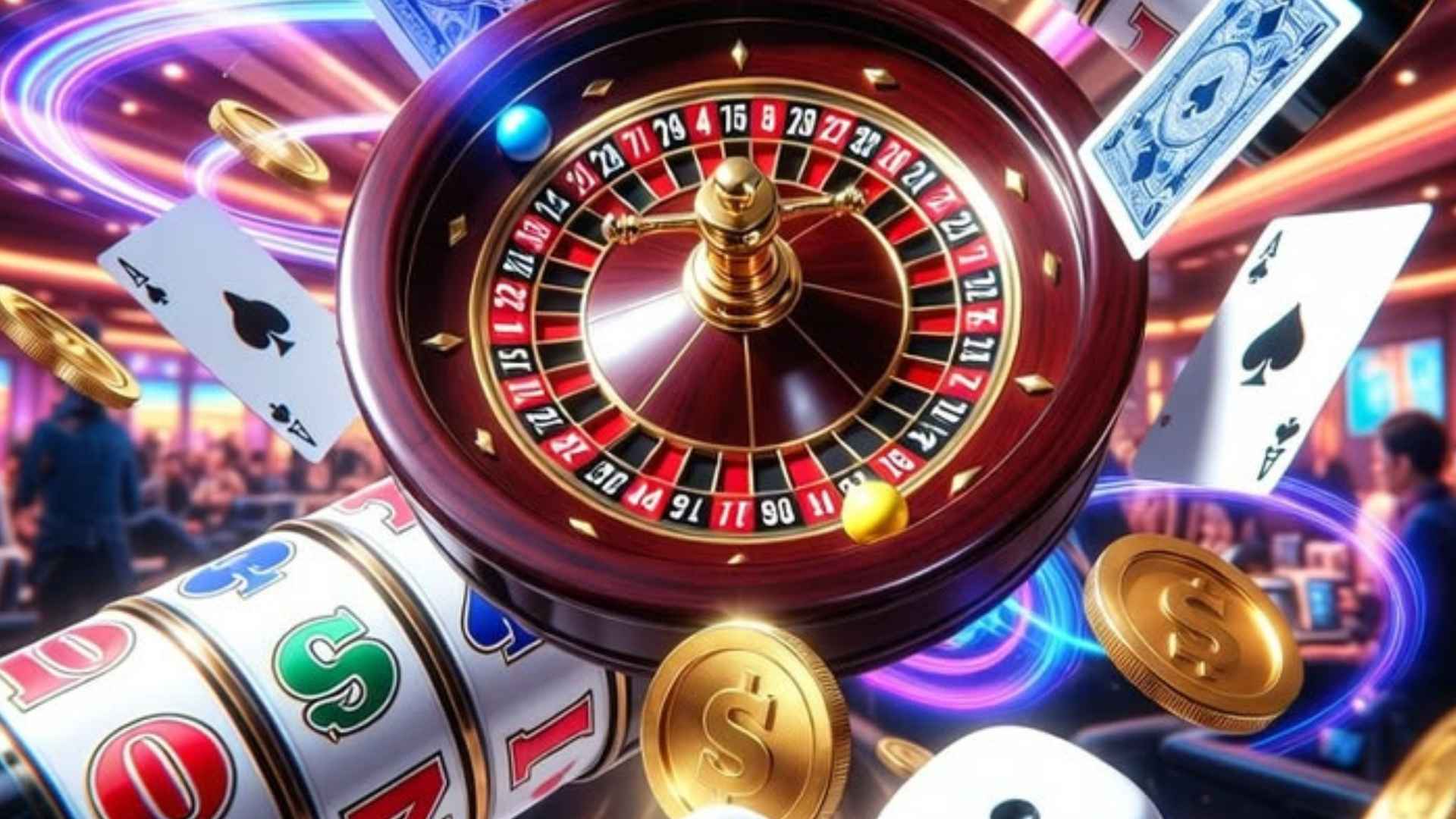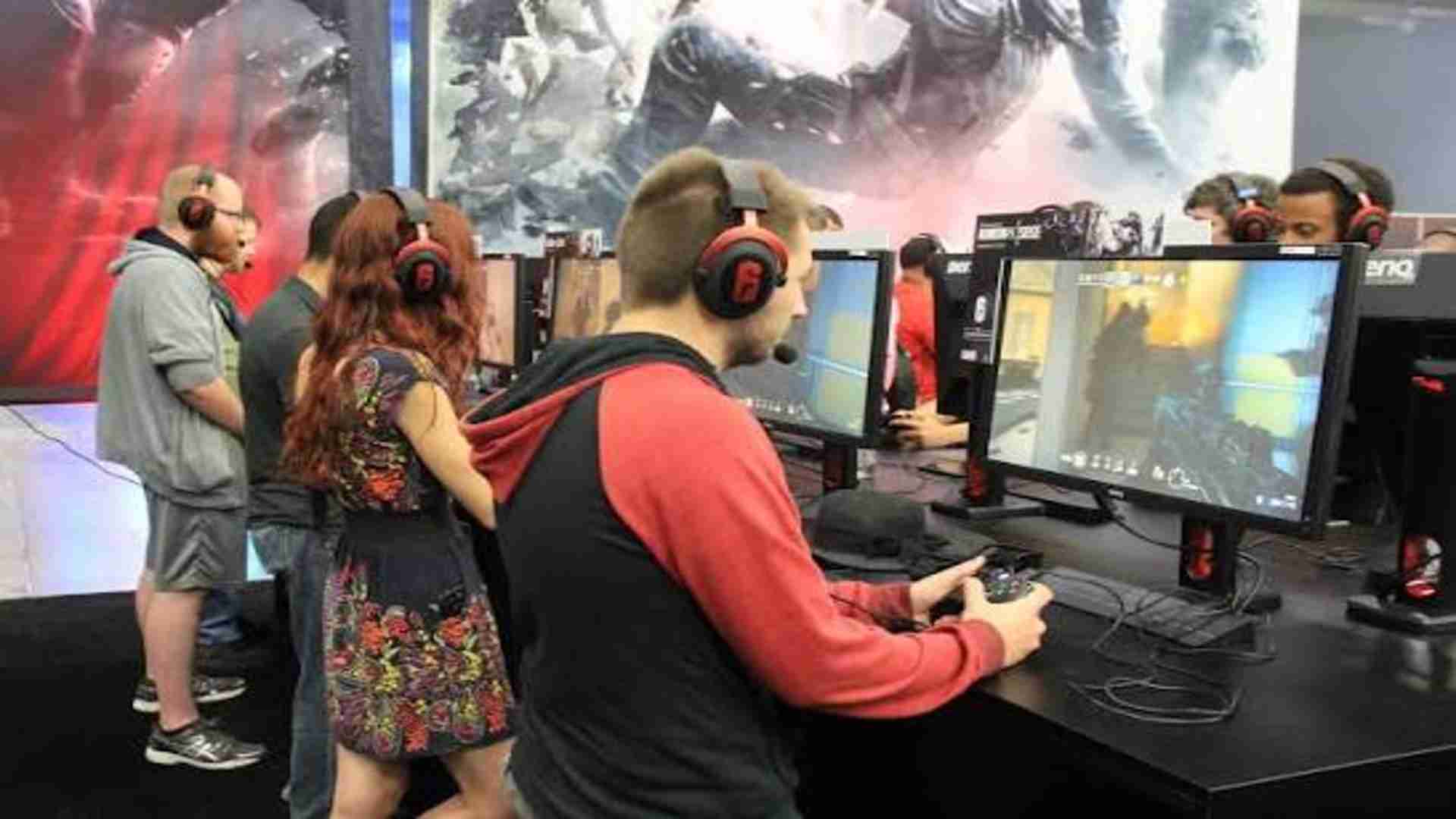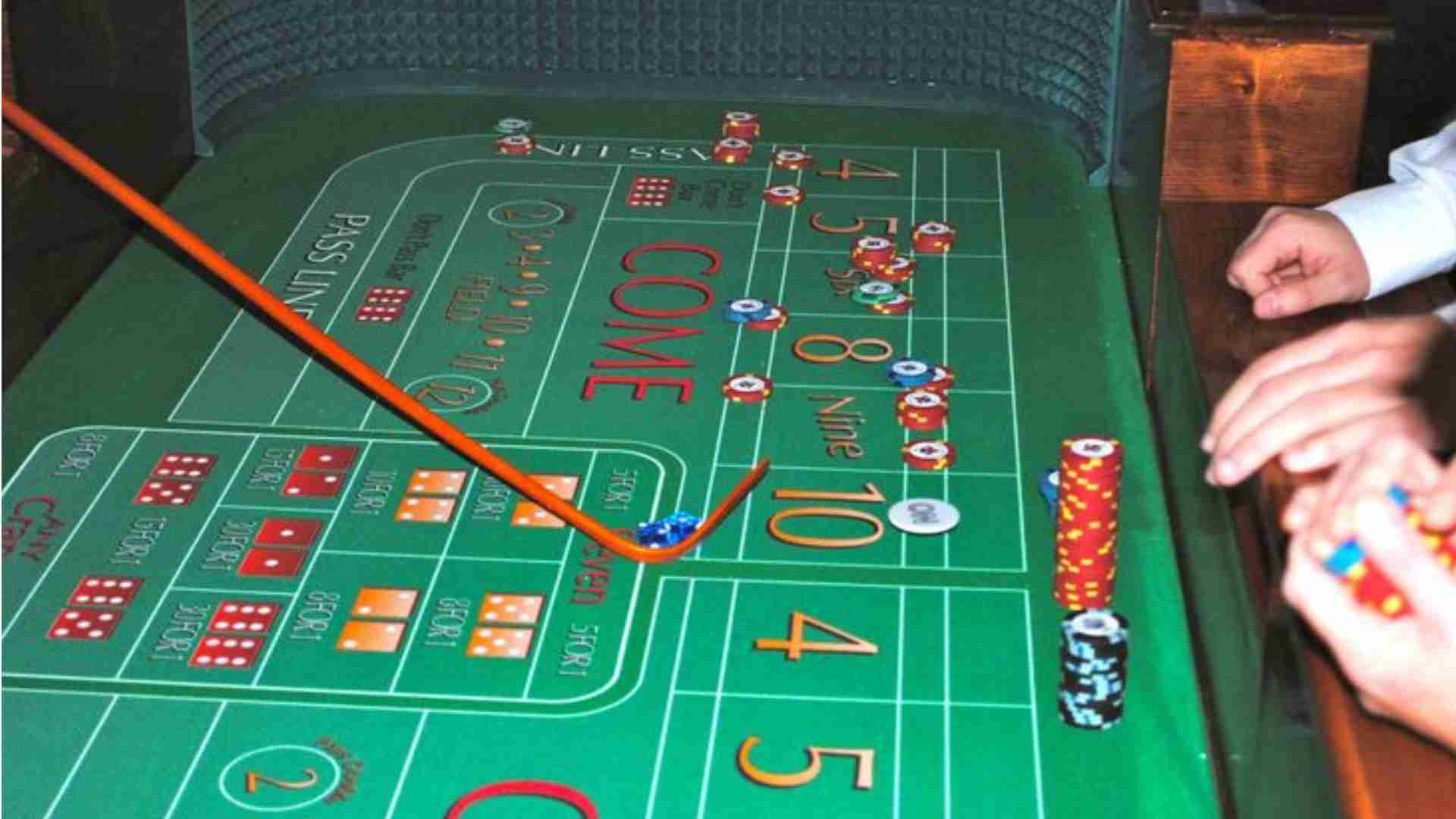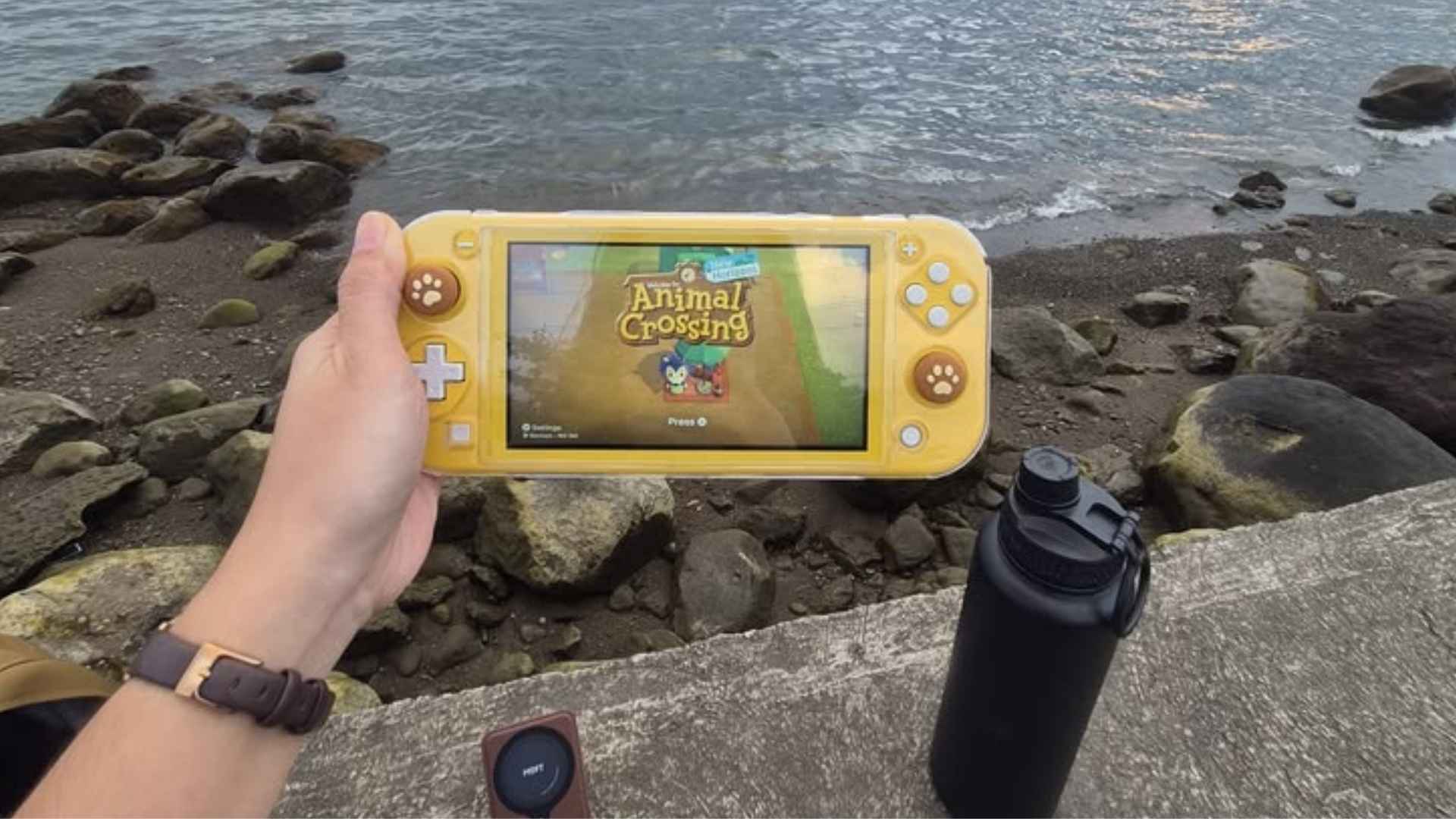
Modern video games often strive to give players complete control over their digital journeys, but absolute predictability can quickly lead to monotony. Incorporating random outcomes breaks the routine by introducing unexpected twists that mirror the chaotic nature of real-world adventures. These surprising shifts transform standard gameplay into a highly personalized narrative, ensuring that no two players walk away with the exact same story.
The Psychological Appeal of Unpredictable Elements
Human psychology naturally craves a balance between structured challenge and delightful surprise. When an interactive environment introduces variables that cannot be fully anticipated, the brain responds with heightened focus and an accelerated emotional investment. This sudden rush of engagement clarifies why unexpected loot drops, critical combat strikes, and random weather transitions feel so profoundly rewarding.
Furthermore, these sudden variations prevent players from relying entirely on rigid memorization or repetitive guides. By forcing enthusiasts to react dynamically to the present moment, the software builds an immersive environment centered around genuine adaptability. This shift from simple execution to active problem-solving breathes new life into familiar digital spaces.
Building Unique Memories Through Spontaneous Events
In traditional storytelling, the narrative path remains fixed regardless of how many times you revisit the material. Video games shatter this limitation by utilizing algorithmic randomness to generate spontaneous milestones that surprise even the developers. A sudden encounter with a rare wandering creature or an unexpected mechanical failure creates a memorable highlight that players eagerly share with their peers.
These unique moments often become the defining highlights of a collective gaming session, sparking conversations that endure long after the screen turns off. When a system allows for random outcomes, it effectively hands the storytelling brush to the player. The resulting narrative feels deeply personal because it was forged by a singular blend of choice and chance.
Balancing Skill and Surprise for Sustainable Engagement
While pure skill is essential for competitive balance, incorporating elements of chance ensures that less experienced participants can still find moments of triumph. Successful game design carefully balances these two forces, allowing calculated strategies to thrive without making the final result completely certain. This subtle tension keeps veterans on their toes while providing newcomers with a realistic sense of hope.
Many modern platforms implement these exact principles to ensure their communities remain vibrant and universally accessible over long periods. For instance, exploring a trusted platform through an option like the m88 link alternatif highlights how structured randomness can keep participants coming back for fresh experiences. When handled responsibly, unpredictable metrics serve as a powerful tool for maintaining long-term entertainment value.
How Adaptive Systems Foster Creative Problem Solving
When players face an unexpected setback or receive an unforeseen advantage, they must instantly re-evaluate their current approach. This constant need for tactical adjustment discourages passive scrolling and encourages deep cognitive engagement. Embracing the unknown turns a standard recreation routine into an active exercise in creative resource management.
Ultimately, the inclusion of random variables ensures that digital entertainment continues to evolve as a responsive, living medium. By transforming predictable equations into dynamic, character-driven journeys, developers can consistently deliver profound interactive milestones. Accepting the unpredictable elements of a digital world allows players to unlock the true personality hidden within their favorite games.