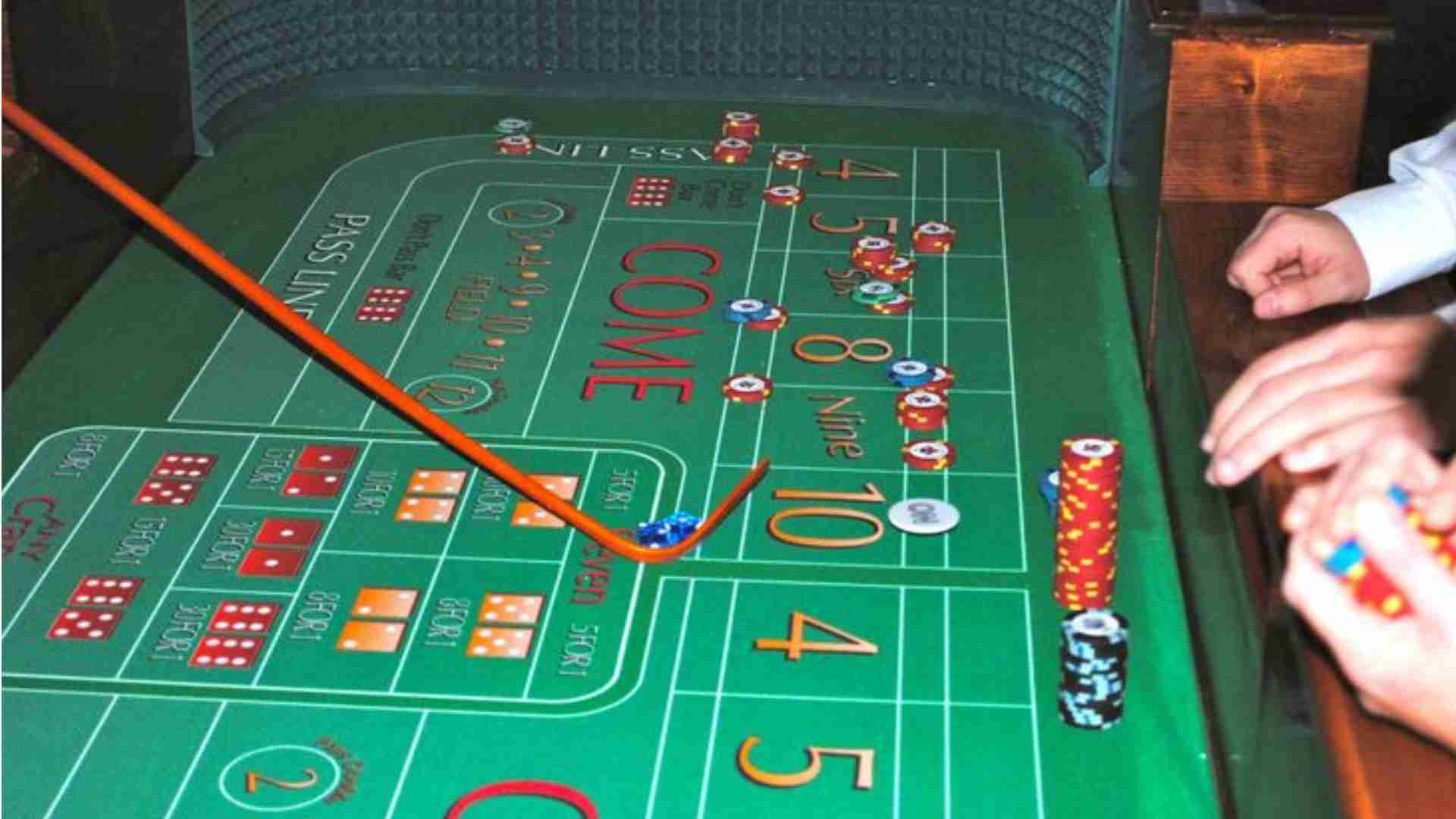
Stepping into a brick-and-mortar casino or a dedicated card club for the first time reveals a lively atmosphere filled with distinct verbal cues. Players and dealers continuously exchange a specific set of terms that keep the game organized, fast, and fair for everyone at the table. Understanding this universal language is essential for tracking active hands and ensuring your own strategic intentions are clearly understood by the entire room.
The Direct Declarations of Betting Action
Every standard round relies on four fundamental verbal declarations that immediately bind a player to their tactical decision. Announcing a check allows you to pass the action to the next person without committing any additional chips to the middle. If a wager has already been placed, you must either call to match that amount or raise to increase the financial pressure on your opponents.
When the stakes become too high or your cards lack sufficient strength, choosing to fold signals that you are surrendering your hand. Learning how to vocalize these decisions clearly prevents costly misunderstandings with the dealer during intense moments. Many contemporary enthusiasts practice these interactions online, utilizing platforms like the Mansion Sports portal to study active table flows before visiting physical card rooms.
The Shared Architecture of the Dynamic Board
In community card games like Texas Hold'em, specific words dictate the precise stages where fresh information is revealed on the felt. The initial three community cards dealt simultaneously in the center of the table are universally referred to as the flop. This pivotal stage instantly transforms the mathematical value of each participant's starting cards and dictates the secondary betting round.
Following the completion of that round, the dealer uncovers a single fourth card known as the turn. This stage frequently alters the dynamic of the hand by completing potential drawing combinations or narrowing down survival options. The final community card is called the river, which establishes the ultimate value of all remaining hands before the final showdown.
Forced Contributions and Pool Dynamics
Before any tactical choices are executed, specific structural terms describe how the initial value of the game is generated. The entire collection of wagers accumulated in the center during a round is called the pot. To guarantee there is always a reward to play for, the two seats directly to the left of the dealer button must post mandatory wagers called blinds.
These forced contributions rotate clockwise after every hand, ensuring that every participant shares the structural cost of keeping the game running. Understanding how these baseline stakes impact your position allows you to manage your chip stack with much higher levels of strategic precision. Experienced regular players closely monitor these rotating commitments to identify profitable moments to execute advanced tactical maneuvers.