Integrating hands-on exercises into mathematics education has completely revolutionized how students interact with abstract concepts. By focusing on real-world uncertainty, modern educators can easily transform theoretical math into engaging and active lessons. These interactive approaches build a stronger foundation for critical thinking and data interpretation from an early age.
The Power of Hands-On Experiments
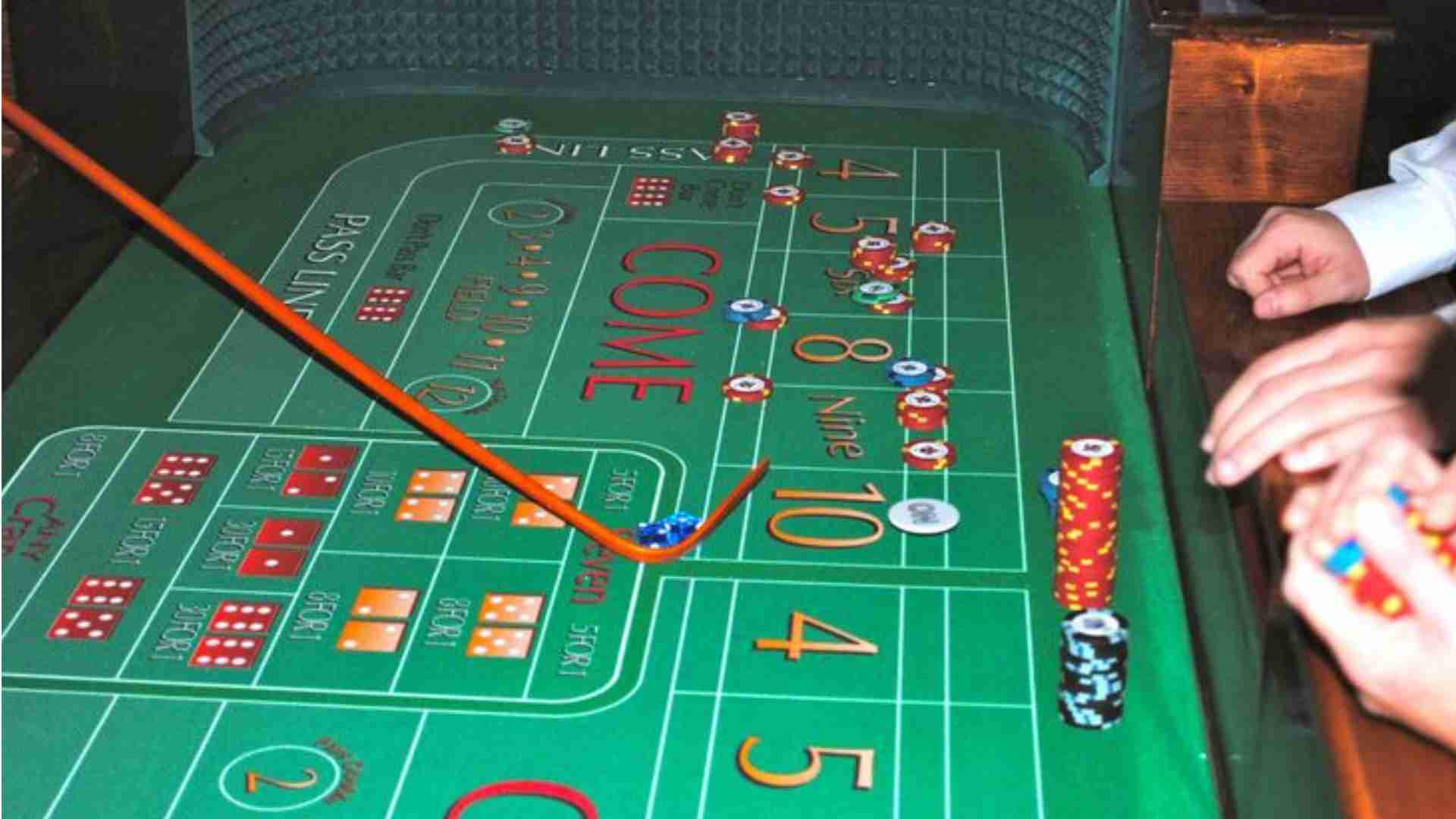
Simple experiments like flipping coins or rolling dice allow students to visualize mathematical likelihoods instantly. Instead of memorizing static formulas, learners actively participate in discovering how patterns emerge from random events. This practical engagement helps demystify complex statistical theories and keeps the classroom atmosphere lively.
Over multiple trials, students begin to notice that individual random outcomes eventually align with theoretical expectations. Observing this mathematical stability firsthand builds profound confidence in analytical reasoning skills. It turns a standard classroom lecture into an unforgettable journey of scientific exploration.
Developing Long-Term Analytical Skills
Understanding how data works is an essential life skill in today's data-driven world. By analyzing outcomes and calculating percentages, individuals learn to evaluate risks and make logical choices under pressure. These exercises encourage students to look beyond surface-level results and look deeper into structural probabilities.
As these cognitive abilities grow, learners become better equipped to tackle advanced scientific and computational challenges. Many dynamic platforms incorporate these identical probability concepts to engage sports fans and analytical minds globally. For instance, exploring trusted updates on platforms like Mansion Sports can show how statistical insights directly influence modern performance tracking and predictive analysis.
Enhancing Collaborative Classroom Learning
Probability activities naturally foster teamwork and open discussion among diverse groups of students. When working together on tracking experimental data, learners debate variations and share unique problem-solving techniques. This peer interaction strengthens communication skills while reinforcing core mathematical frameworks.
Teachers can easily introduce friendly group competitions to boost motivation levels significantly. Comparing results between different groups highlights the natural variance found in small sample sizes versus large datasets. This collaborative approach makes mathematical education feel highly relevant, deeply social, and fundamentally interactive.
Practical Strategies for Daily Practice
Bringing probability concepts into daily routines does not require expensive tools or complex digital software. Parents and educators can use simple card games or weather forecasts to prompt spontaneous mathematical discussions. Asking guided questions about likelihood helps children practice statistical thinking outside of school boundaries.
Consistent exposure to minor probabilistic challenges helps reduce anxiety related to advanced numerical subjects. Over time, calculating odds becomes a natural reflex rather than a stressful academic task. This continuous daily practice effectively ensures that smart learning becomes a lifelong intellectual habit.